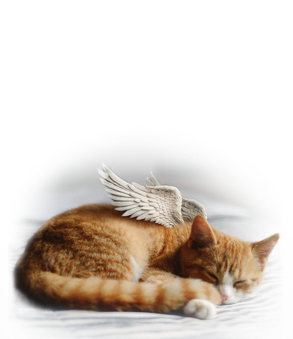
Surviving the Holidays While Grieving Your Pet

If you’re looking for quick answers, you can also jump to our FAQ about pet loss during the holidays below.
Losing a beloved pet is incredibly difficult. Just like when a human family member dies, you need time and space to grieve this loss. When you’re mourning your pet, the holiday season can bring your grief to the forefront, and you may feel more alone and sad than usual. You think about all the good times you had with your furry friend and the last Christmas when they were still with you.
There is a lot of social pressure to feel happy and “in the spirit,” which can make you feel guilty or out of place if you’re actually sad, numb, or exhausted during the festive season. Social media and holiday advertising often show images of families and pets gathered together, which can intensify the sense of emptiness after the loss of your pet. All of this can make grieving your pet during the holidays feel overwhelming.
If you are coping with pet loss during the holidays, know that you are not alone. These gentle tips can help you support yourself through this difficult period of mourning.
Don’t Grieve Alone This Holiday
If the holiday season is usually a psychologically difficult time for you, your pet may have been your emotional anchor and main source of comfort for many years. Their presence may have helped you get through stressful family gatherings, dark winter days, or feelings of loneliness. Without your pet, this time of year can feel especially painful.
Why Reaching Out Matters
You may feel like isolating yourself, which is a very common reaction when you are grieving your pet. Wanting to stay home, avoid invitations, or withdraw from conversations about the holidays is normal. However, the pain of grief combined with the sadness or stress of the festive season is a heavy burden to carry alone.
Small Ways to Ask for Support
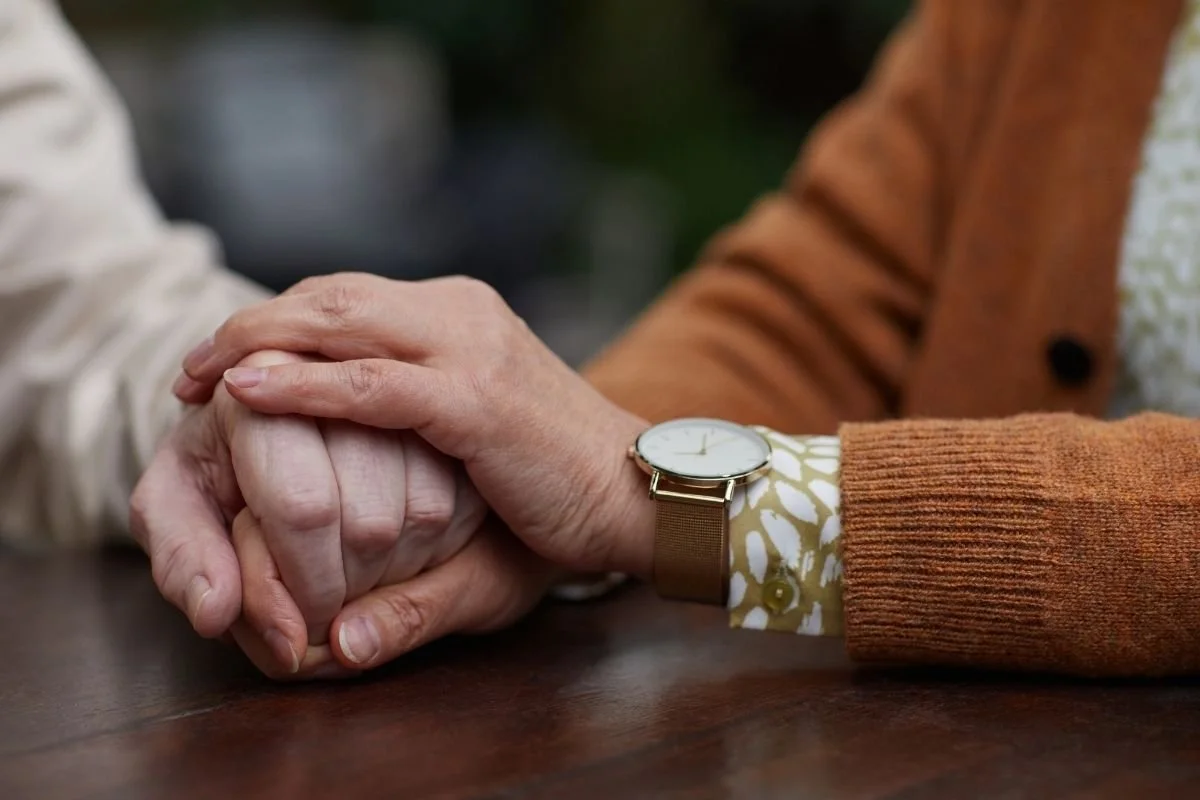
Instead of cutting yourself off completely, try to gently reach out to someone you trust—a friend or family member who knows how important your pet was to you—and let them know that this holiday season is especially hard after your pet’s death. You might simply say, “The holidays are really hard without my pet this year. Could we talk sometime?” Whether it turns into a short visit, a phone or video call, or a few messages exchanged on the most difficult days, knowing that someone is there for you can make your grief feel a little less heavy.
Gentle Rituals to Honour Your Pet
When you lose a pet, holiday traditions can feel incomplete. Creating small rituals in memory of your pet can help you stay connected to them in a meaningful and healing way. These gestures can be simple but powerful:
Light a candle for your pet before a holiday meal or on particularly difficult days. You can say their name out loud or take a quiet moment to remember them.
Hang a special ornament on your tree with your pet’s name, photo, or paw print. Each year, placing this ornament can become a gentle moment of remembrance.
Create a memory space in your home with a photo, collar, favourite toy, or a printed paw impression. You can visit this space whenever you need a moment of connection.
These small actions can bring brief moments of comfort and connection, even when the holidays feel particularly empty.
Also read: 5 Ways to Honor a Pet
Writing, Creating, and Giving in Their Honour
Rituals can also take a more personal or creative form:
Write a letter to your pet, expressing what you miss, what you’re grateful for, and what you wish you could say. This can be especially helpful when emotions are intense during the holiday season.
Create something in their memory: a drawing, a small photo album, a scrapbook page, or a simple framed picture.
Make a donation or do an act of kindness in your pet’s honour—such as supporting an animal shelter, offering supplies to a rescue, or helping another pet parent in need.
These rituals don’t replace your pet, and they’re not meant to “fix” your sadness. Instead, they give your love somewhere to go and help you honour the bond you shared.

Give Yourself Permission to Do Less This Holiday Season
One of the hardest parts of grieving your pet during the holidays is feeling like you “should” be able to do everything you normally do: decorating, cooking, hosting, shopping, visiting relatives, and attending parties. But grief is exhausting—emotionally, mentally, and physically.
It’s okay if this year looks different. You are allowed to:
Say no to invitations that feel overwhelming or draining.
Keep celebrations smaller and quieter than usual.
Skip certain activities that feel too painful without your pet.
The holiday season, with its many activities and people to see and entertain, can be stressful and even feel like an insurmountable mountain to climb when you are grieving. Remember: you don’t have to do anything—especially not by yourself.
Communicating Your Limits
You don’t have to give every detail, but letting people know what you’re going through can help them support you better. You might say:
“This year is really hard for me since I’m grieving my pet. I may be quieter than usual or need to step away sometimes.”
“I’d love to see you, but I only have the energy for a short visit this time.”
If you feel comfortable doing so, you can also explain to your loved ones that you don’t want to participate in every activity this year. Being honest about your limits is not a failure—it’s a way of taking care of yourself while you grieve.
Lightening Your Holiday To-Do List
If you would like to join in some of the festivities but don’t have the energy to handle all the preparations, it is completely okay to ask for help or to delegate certain tasks. To reduce the burden of chores, you might consider:
Using a cleaning or housekeeping service to help with tidying your home.
Ordering from a caterer or prepared-meal service if you are hosting or bringing food.
Using a grocery delivery or pickup service instead of doing a full in-store shop.
Asking for help with holiday decorating, or keeping decorations simple this year.
Letting your own needs guide you—rather than what you think you “should” do—is an important part of healing.
Adapt Your Traditions After Pet Loss
Maybe your pet was part of your favourite holiday traditions: unwrapping gifts, going for snowy walks, lying under the tree, or greeting guests at the door. It can feel painful to imagine doing these things without them.
You don’t have to give up everything you used to do. Instead, you can ask yourself:
Which traditions still feel comforting, even in my grief?
Which ones feel too painful this year?
You may decide to keep some traditions exactly as they are, keep others in a smaller or softer form, and pause a few until you feel ready.

Creating New Traditions in Your Pet’s Honour
You can also gently adapt your traditions to include your pet’s memory:
Take a walk in a place your pet loved and think of your favourite moments together.
Place a small stocking, decorative tag, or card with your pet’s name somewhere special.
Include your pet in a family toast or moment of silence: “To all those we love who are no longer here—including our beloved [pet’s name].”
These gestures won’t make your grief disappear, but they can help weave your pet’s memory into this new version of the holidays. Little by little, they create space for both love and sadness to coexist.
Care for Your Body While You Grieve Your Pet
Grief after pet loss doesn’t just affect your emotions—it also affects your body. You might feel exhausted, tense, foggy, or unable to sleep. During the holidays, with extra stress and stimulation, these symptoms can be even more intense.
Pay attention to the signals your body is sending you: fatigue, headaches, tightness in your chest or shoulders, changes in appetite, or difficulty concentrating. These are common responses to grief.
Small Daily Habits That Can Help
While you can’t “cure” grief with self-care, supporting your body can make it a bit easier to cope:
Keep a basic routine as much as possible: regular meals, hydration, and rest.
Move your body gently, whether that’s walking, stretching, yoga, or simply stepping outside for a few minutes of fresh air.
Notice how alcohol and caffeine affect you, and reduce them if they make your mood or sleep worse.
Give yourself quiet moments away from the noise—time to cry, breathe deeply, journal, or simply sit with your feelings without having to put on a brave face.
These small acts of care can help you cope with grief during the holiday season and remind you that your needs matter.

When Grief Feels Overwhelming
Grieving your pet during the holidays can stir up many emotions: sadness, anger, guilt, numbness, even relief if your pet was very sick or in pain. All of these feelings are valid.
However, it may be time to seek extra support if you notice that:
You are unable to function in your daily life.
You feel hopeless most of the time.
You have trouble sleeping or eating for long periods.
You feel stuck in intense guilt or self-blame.
You have thoughts that life is not worth living.
These are signs that your nervous system and emotional world are under a heavy load and could benefit from professional support. If this feels familiar, the Prolonged Grief Disorder self-assessment questionnaire can help you reflect on your grief and decide whether to reach out for more help.
Where to Find Help for Pet Loss Grief
Talking to a mental health professional, a grief counsellor, or a pet loss support specialist can make a real difference. Some options may include:
Therapists or counsellors who have experience with grief and loss.
Support services or grief resources offered through veterinary clinics or animal organizations.
Helplines or online platforms specialising in pet loss support.
Asking for help does not mean your grief is “too much” or that you are weak. It means you are taking your pain seriously and giving yourself the care you deserve.
Grief for a Pet Is Real Grief
If you are struggling with pet loss during the holidays, remember: your grief is a reflection of the deep bond you shared. Your pet was family, and it is natural to miss them intensely when everything around you is celebrating togetherness, love, and home.
You have the right to feel sad, to remember, to cry, and also to laugh when a warm memory surfaces. There is no “right” way to grieve your pet during the holiday season. There is only your way.
Moving Through the Holidays at Your Own Pace
By seeking support, creating gentle rituals, adapting your traditions, and caring for your body and heart, you can move through this difficult time with a little more kindness toward yourself. Your love for your pet doesn’t end with their death—and neither does their place in your story.
This holiday season, may you give yourself permission to grieve, to remember, and to rest. That, in itself, is a profound way of honouring your pet and the bond you shared.
FAQ About Pet Loss During the Holidays
-
Yes. The holidays often highlight routines and traditions you used to share with your pet, which can intensify feelings of sadness, loneliness, or guilt. This doesn’t mean you’re “stuck” in grief—it simply shows how important your bond was.
-
You might light a candle, hang a special ornament, create a small memory space at home, or do an act of kindness in your pet’s name. Small, meaningful rituals can help you stay gently connected while you grieve.
-
If your grief makes it hard to function, affects your sleep or appetite for a long time, or leaves you feeling hopeless, it may be helpful to talk with a mental health professional or pet loss support specialist.
If you feel you need extra support, you can also explore our pet loss grief resources and tools.