EUTHABAG and the Environment
EUTHABAG is a veterinary body bag designed to respect the bond between the animal, the family and the teams caring for them, while taking its environmental impact into consideration.
Because animals are often cremated or buried in the bag used to transport them, the materials it is made from truly matter.
Why Does the Composition of a Pet Body Bag Matter?
At many pet crematoriums, animals are not removed from their transport bag or body bag before cremation. The materials used to contain and transport deceased animals can therefore affect the emissions generated during cremation. Their composition must also be considered when an animal is buried.
EUTHABAG was designed with both possibilities in mind.
100% Post-Consumer Recycled Fabric
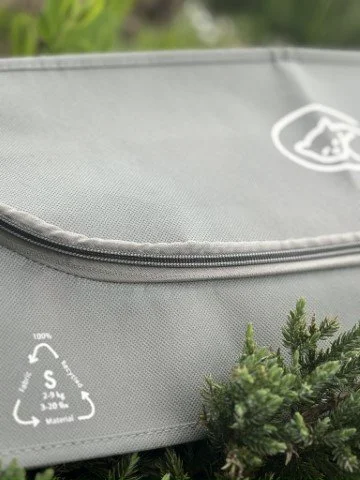
The fabric used to make EUTHABAG is made from 100% post-consumer recycled polypropylene and contains no heavy metals or chlorinated compounds.
Up to 10 Times Lower CO₂ Emissions
Manufacturing this fabric generates up to 10 times fewer CO₂ emissions* than manufacturing virgin plastic—0.2 kg compared with 2 kg of CO₂-eq per kilogram of material—without compromising strength.
Using post-consumer recycled material gives previously used plastic a new purpose rather than producing new material from virgin fossil resources.
Can an EUTHABAG Be Cremated?
Yes. The vast majority of EUTHABAG body bags complete their life cycle through cremation.
EUTHABAG fabric is made from polypropylene. Unlike other body bags, it therefore contains no vinyl or chlorinated compounds and does not produce dioxins or furans during cremation.
A major pet crematorium in Quebec also told us that the results of its emissions testing, required by the Quebec Ministry of the Environment, the Fight Against Climate Change, Wildlife and Parks, had improved since it began using EUTHABAG.
Carefully Selected Ink and Adhesive
The adhesive used to manufacture the body bag is composed of 50% rosin resin, a plant-derived resin, and 50% styrene-butadiene, also known as synthetic rubber. Together, they form a high-performance hot-melt adhesive that is free of volatile organic compounds.
The ink used for screen printing is water-based.
Can EUTHABAG Body Bags Be Buried?
Yes, where burying an animal is permitted under local regulations.
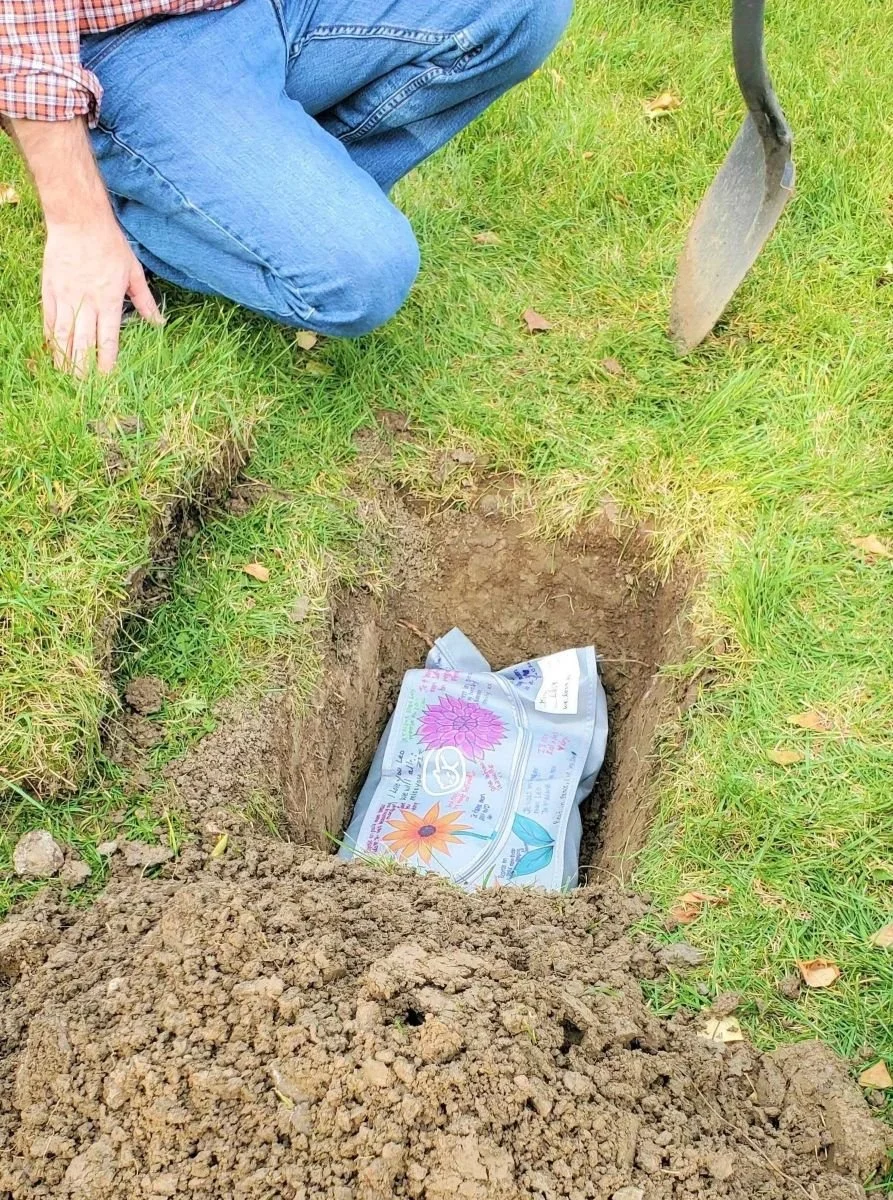
EUTHABAG contains no heavy metals or chlorinated compounds. Its strength helps contain the animal’s remains and reduces the risk of them being scattered or unearthed.
When an animal has been euthanized with pentobarbital, additional precautions must be taken to prevent wildlife or domestic animals from accessing the remains.
When a family wishes to bury their pet, the veterinary team should inform them of the applicable regulations and the precautions to take regarding burial depth, location and protection of the remains, particularly when the animal was euthanized with pentobarbital.
Why Aren’t EUTHABAG Body Bags Biodegradable?
EUTHABAG is not biodegradable in the short term, and this is an intentional choice.
In many regions, most deceased animals are cremated. A body bag must therefore retain its strength during storage, handling and transportation of the remains, as well as during their eventual cremation. When an animal is buried, this strength also plays an important role in containing the remains.
Pentobarbital: Responsibility Continues After Euthanasia
When an animal is euthanized with pentobarbital, the drug remains in its tissues after death. The remains can therefore be toxic to wildlife or domestic animals that consume them, including birds of prey, carnivorous mammals and dogs.
The guidelines of the American Veterinary Medical Association state that the use of pentobarbital carries legal responsibilities regarding the proper disposal of an animal’s remains. These responsibilities may apply to veterinarians, animal shelters and pet owners.
The AVMA also emphasizes that serious consequences can arise when veterinary professionals fail to ensure that remains are disposed of safely or fail to inform their clients of the necessary precautions.
Laws and penalties vary among countries and jurisdictions. Veterinary teams must therefore be familiar with the applicable regulations and provide clear instructions to families who take responsibility for their pet’s remains.
A strong body bag helps contain the remains and reduces the risk of them being scattered or becoming easily accessible. However, it does not replace burial at a sufficient depth or compliance with local disposal regulations.
Why Is the Strength of the Body Bag Important?
Protecting wildlife and domestic animals
Remains containing pentobarbital can pose a danger if they are unearthed or consumed.Keeping the remains together
A burial site may be disturbed by an animal, construction work or erosion. A strong body bag helps keep the remains contained.Allowing for possible exhumation
Some families choose to exhume their pet’s remains when they move. A body bag that has remained intact makes it easier to handle the remains and have them cremated if desired.Providing a more appropriate solution than a blanket
Most blankets contain polyester or other synthetic fibres and are therefore not necessarily biodegradable. They may also complicate the eventual cremation of the remains.Limiting the dispersal of tissues
The strength of the body bag helps keep the remains contained and limits the dispersal of tissues that may contain pentobarbital.
What About Biodegradable Materials Made from Cornstarch?
Biodegradable materials made from cornstarch may appear to be a more environmentally friendly solution, but their impact must be evaluated throughout their entire life cycle. They are often manufactured from genetically modified corn crops treated with glyphosate, a controversial herbicide. Growing corn and processing it into starch also require a significant amount of energy, including energy from fossil fuels.
In addition, some biodegradable bags may begin to lose their integrity after only a few months in storage, making them less suitable for veterinary use where reliable strength is essential. For these reasons, EUTHABAG chose to prioritize a stable, durable recycled material.
What About Jute?
Jute may seem like a more natural option, but the jute used to manufacture body bags is generally plastic-coated to provide sufficient strength and leak resistance. It therefore does not necessarily offer the environmental benefits associated with a fully natural or biodegradable material.
According to the data available to us, plastic-coated jute generates approximately five times more carbon emissions than the recycled polypropylene used for EUTHABAG. Because it is also heavier, transporting it may generate four to five times more emissions.
What Happens When an EUTHABAG Is Buried?
Since 2016, EUTHABAG has been observing the decomposition of animal remains buried in its body bags in both tropical and temperate environments.
In a tropical environment, an exhumation carried out after eight months revealed a dry skeleton with no remaining tissue. Necrophagous insects had pierced the body bag in six places to access the remains.
In a temperate environment, exhumations performed in 2018 on feline remains buried in 2016 showed that only the bones and part of the skin remained.
These observations indicate that, even though the body bag remains strong, necrophagous insects and microorganisms can access the remains and participate in the natural decomposition process.
5 Ecological Benefits When Using EUTHABAG:
Necrophagous insects and microorganisms have access to the remains to decompose the body but not domestic nor wild animals that could get intoxicated.
When buried, the remains are contained and do not leach euthanasia products or germs into the environment.
EUTHABAG does not contain heavy metals or chlorinated compounds and can therefore be buried or incinerated without toxic fumes.
The glue is vegetal-based and the ink is water-based.
The EUTHABAG, as well as its packaging box is made of recycled material.
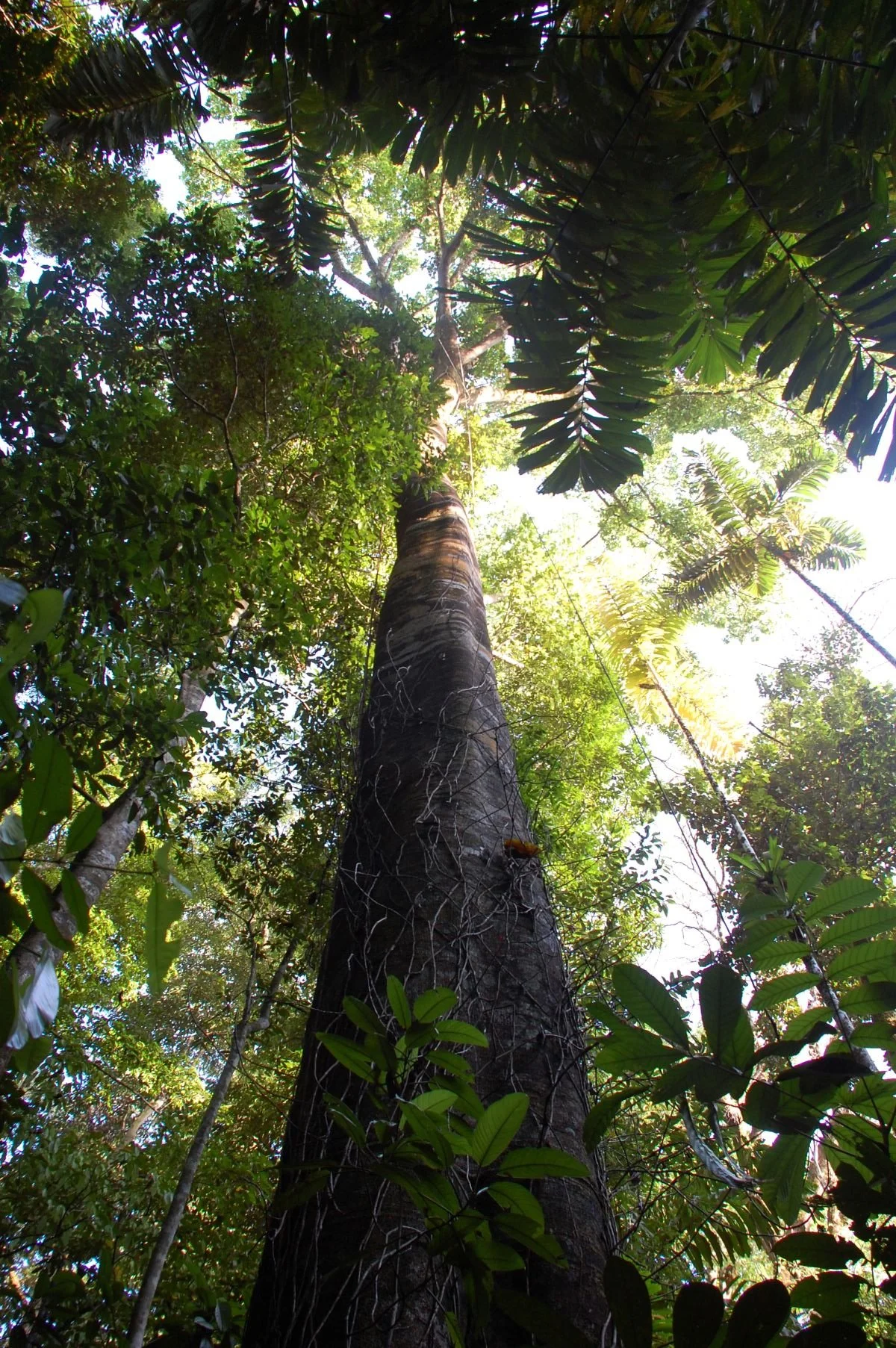
Our Commitment Goes Beyond the Body Bag
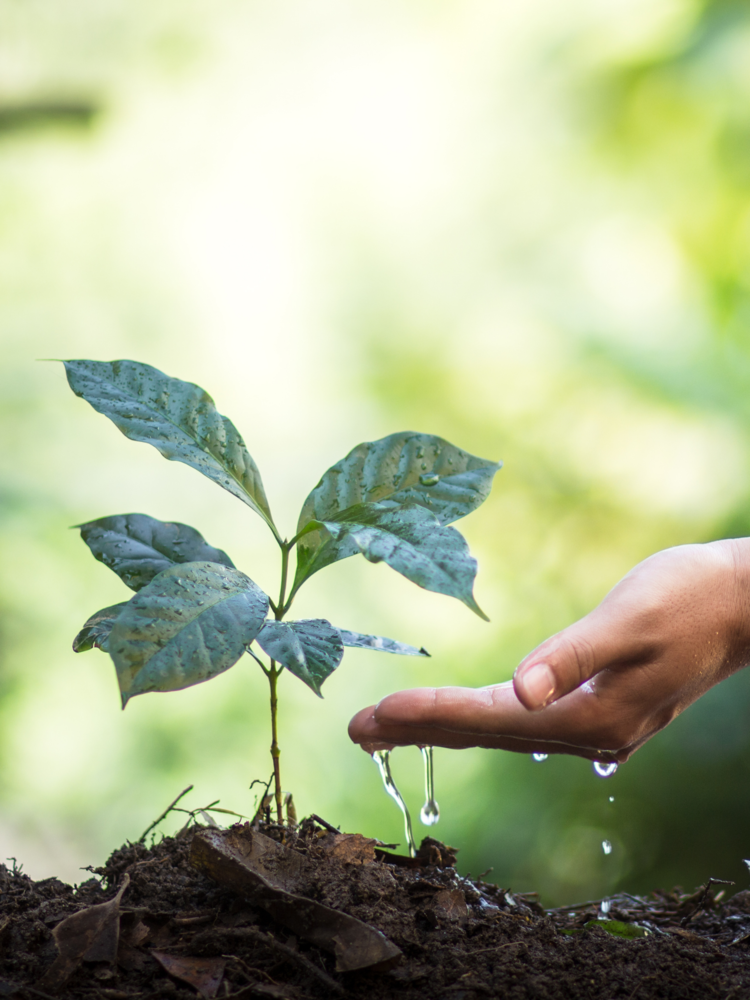
EUTHABAG also contributes to reforestation and the protection of vulnerable habitats throughout the Americas by supporting the planting of thousands of native trees in Canada and Costa Rica.
These initiatives help restore habitats that are essential to wildlife and plant life.
-
*Estimate based on published emission factors. Results may vary depending on manufacturing processes. Sources: Franklin Associates / Association of Plastic Recyclers (APR), Life Cycle Impacts for Postconsumer Recycled Resins, 2020. GPCA Plastics LCA Study / Plastics Europe eco-profiles. CarbonCloud database – Mechanically recycled polypropylene (PP). UNHCR Sustainability Report 2023.