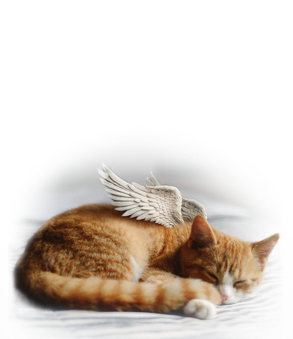
Helping Children Process Pet Loss: Tips and Tools for Grieving Together
For many families, pets are more than just animals. They are trusted confidants, playmates, and beloved members of the household. When a pet passes away, the entire family feels the loss deeply. But for children, especially those experiencing death for the first time, the grief can be overwhelming, confusing, and difficult to express.
As parents, caregivers, and veterinary professionals, it’s important to approach pet loss with compassion, patience, and age-appropriate tools. At Euthabag, we believe that even the smallest hearts deserve space to grieve, remember, and say goodbye in a meaningful way. Below are gentle and effective resources for helping children process the loss of a pet - before, during, and after the goodbye.
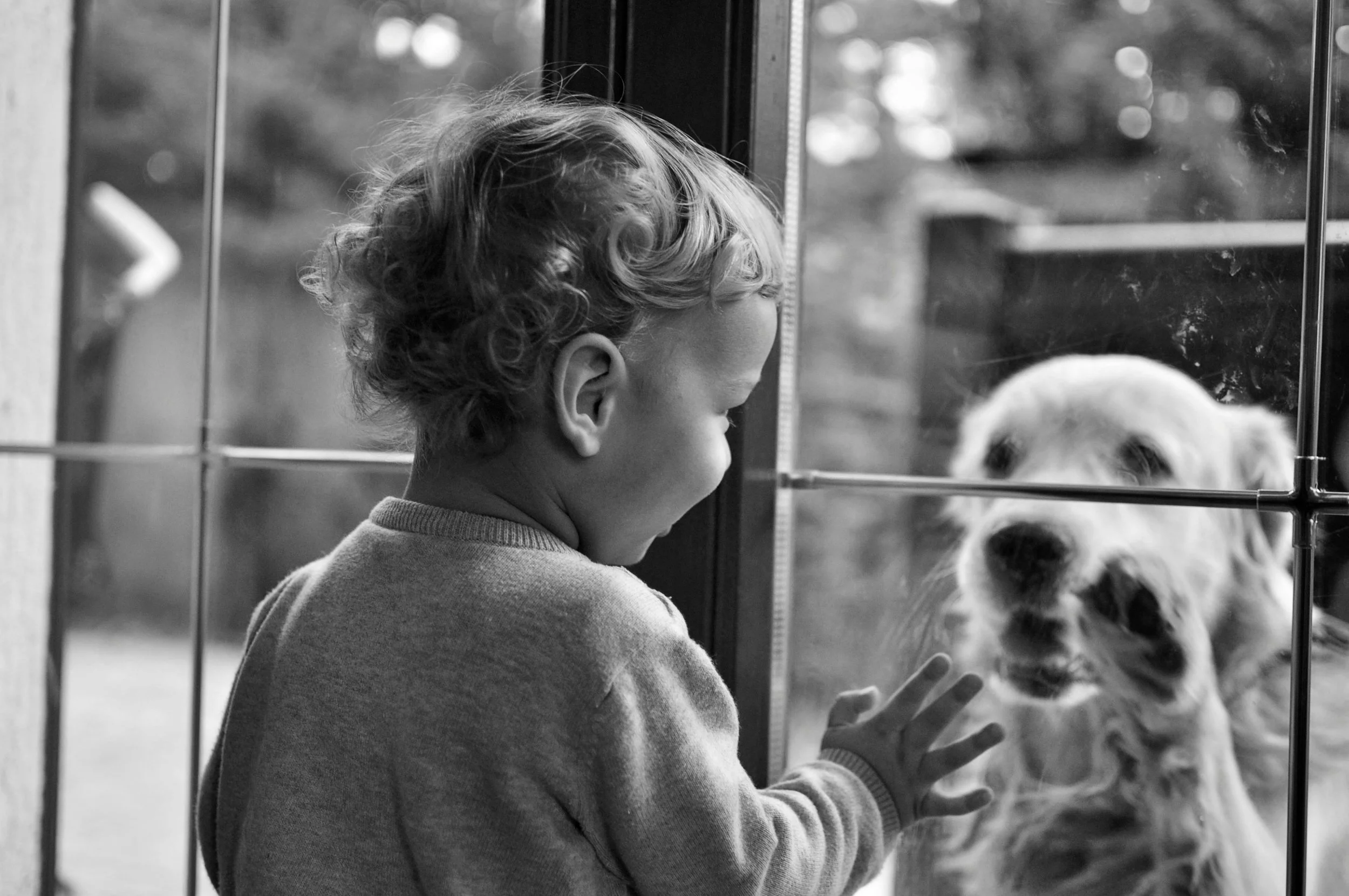
Talk Openly and Honestly About Death
It can be tempting to shield children from the pain of loss by using phrases like “Fluffy went to sleep” or “Buddy ran away.” While well-intentioned, these explanations can confuse kids, create mistrust, or leave them anxiously waiting for their pet to return.
Instead, use clear, age-appropriate language. Explain that their pet has died, and that it means their body has stopped working and they won’t be coming back. Validate their sadness, answer their questions, and let them know it’s okay to cry or feel angry.
If you’re unsure how to begin these conversations, Euthabag offers a resource specifically focused on how to prepare your children for the loss of a pet. It includes tips for initiating dialogue, responding to common questions, and tailoring the conversation based on your child’s developmental stage.
Create a Safe Space for Emotional Expression
Children often process grief through play, art, and imagination, rather than words. Giving them outlets for emotional expression not only helps them cope, but it offers insight into how they feel internally.
Coloring pages can be a powerful tool in this regard. Euthabag has created compassionate, grief-sensitive coloring sheets designed to help children name their feelings, honor their pet, and create a visual tribute. Some kids may want to draw memories of their pet, while others may just need a quiet activity that helps them sit with their feelings without pressure to talk.
Journaling, crafting, storytelling, and even role-playing with stuffed animals are additional ways to help children move through grief at their own pace.

More coloring pages of dogs and cats at the link shared above.
Involve Them in the Goodbye Ritual
One of the most powerful ways to help children process pet loss is by involving them in the rituals of saying goodbye. Giving children something to do - something tangible and meaningful - can help them feel included, respected, and grounded during an emotionally intense time.
If your family has chosen euthanasia for your pet, consider how your child might participate in the process in a way that feels safe and supportive. Some may want to be present at the appointment, while others may prefer to say goodbye at home. Both choices are valid, and it’s important to respect each child’s comfort level.
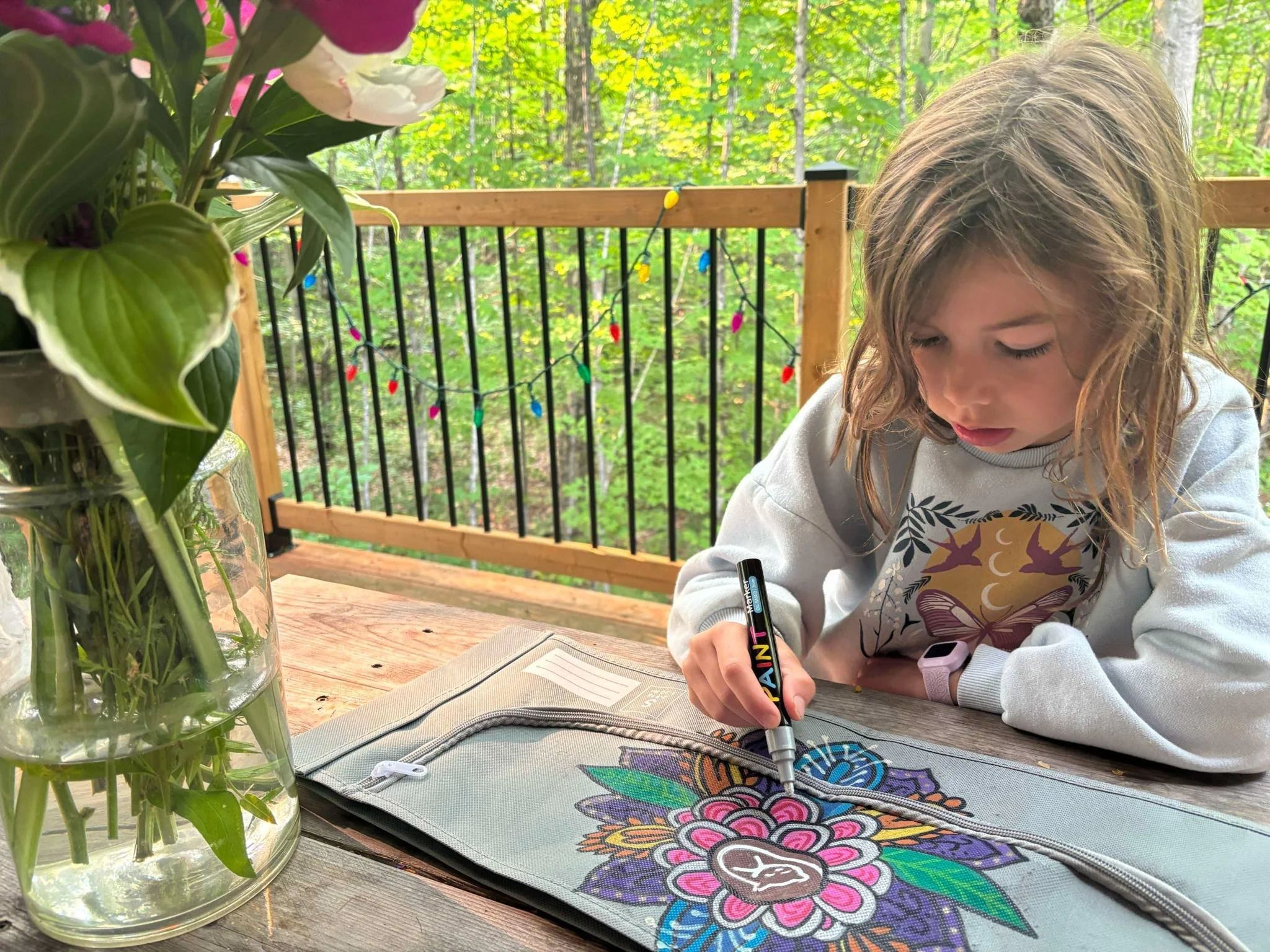
Personalizing a Euthabag is one ritual that has brought comfort to many families. Our body bags are designed to offer a dignified, respectful farewell, and when children are invited to decorate the Euthabag with markers, paints, or handwritten messages, it becomes more than a bag. It becomes a canvas of love.
Drawing hearts, writing “I love you,” or painting their pet’s name allows children to externalize their emotions. This activity can be part of the conversation about death, a quiet way to reflect before the euthanasia appointment, or a symbolic gesture of gratitude and remembrance.
This small act of personalization can be incredibly therapeutic, offering children a sense of closure and control in a situation where they might otherwise feel powerless.
Use Books to Help Them Understand Loss
Books can open the door to healing conversations. Through gentle storytelling and relatable characters, children can begin to make sense of grief, develop empathy, and learn that they’re not alone in their feelings.
Our carefully curated list of books for kids about pet loss includes age-appropriate titles that approach death with sensitivity and care. Some are beautifully illustrated picture books that walk through the experience of saying goodbye; others introduce the concept of the Rainbow Bridge, explore the afterlife in a child-friendly way, or offer emotional vocabulary to help kids talk about sadness.
Reading these books together gives you the opportunity to pause, ask questions, and reassure your child that grief is normal, and healing is possible.
Answer Their Questions - Over and Over Again
Children process grief in layers. What they understand and feel on the day their pet dies may evolve over the days, weeks, or months that follow. It’s common for them to ask the same questions repeatedly, or to bring up their pet unexpectedly during everyday moments.
Be patient. Each time they ask, they’re seeking reassurance or trying to make sense of something they don’t fully grasp. Offer honest, consistent answers. If they ask where their pet is now, you can share your beliefs in a gentle way - whether that’s a spiritual view of the afterlife or a scientific explanation of the cycle of life.
You don’t need to have all the answers. What matters most is your willingness to listen, be present, and hold space for their experience.
Encourage Ongoing Remembrance
Grieving doesn’t end after the funeral or the vet visit. It’s a long, winding process. Encourage your child to keep their pet’s memory alive in a way that’s meaningful to them.
Here are a few ideas:
Create a memory box with their pet’s collar, photos, and favorite toy
Start a scrapbook or photo album together
Light a candle on special anniversaries or your pet’s birthday
Write letters or poems to their pet
Paint a memorial stone in the pet’s honor
These acts of remembrance help children understand that love doesn’t disappear when someone dies. Their bond with their pet can continue through memories, rituals, and stories. If you’d like more ideas on how to honor your pet’s life, check out our blog that breaks down 8 ways to honor a pet.

Final Thoughts
Grieving the loss of a pet is one of the most difficult experiences a child may face, and it’s one they’ll remember for the rest of their life. But it also presents an opportunity to teach compassion, empathy, and the importance of honoring our emotions and relationships.
At Euthabag, we are committed to supporting families during this difficult time. Through our compassionate tools, creative activities, and thoughtful resources, we hope to help children feel seen, heard, and comforted as they say goodbye to their beloved companions.
Whether it’s decorating a Euthabag, coloring in a memory page, or reading a story together at bedtime, every small act of love matters.