
How Extreme Weather Can Affect a Pet’s Quality of Life
The first major snowfall can change what daily care looks like for a senior or seriously ill pet. A dog who could manage the back steps yesterday may struggle to get outside to urinate once those steps are covered in ice. For veterinary teams, that change is a reason to check in with families, reassess the pet’s comfort, and make a plan for the next stretch of severe weather.
End-of-life care providers have also reported seasonal changes in appointment volume. In 2023, the Companion Animal Euthanasia Training Academy (CAETA) shared a Lap of Love analysis that found a 12.5% increase in in-home euthanasia services during the last quarter of the year, based on three years of data. The report describes one provider’s experience during the holiday season and leaves the reasons for the increase open.
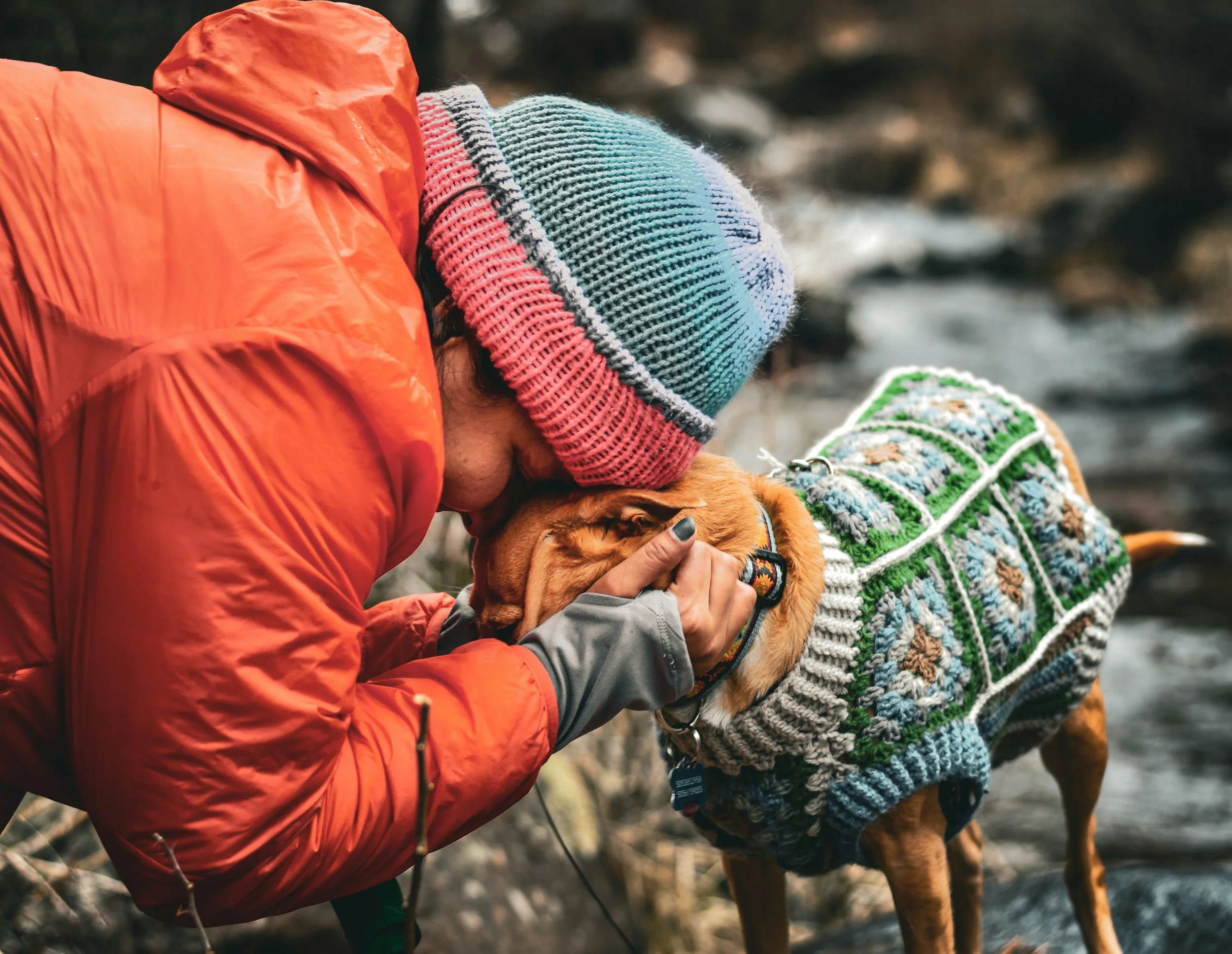
When snow and ice make daily care harder
For a senior dog with osteoarthritis or significant muscle loss, a few centimetres of snow can make a familiar routine much harder. A dog who could still cross dry grass last week may need help standing on icy ground. Getting outside to urinate can mean navigating stairs, slippery steps, or a driveway the family hasn’t had time to clear.
Ask the family to walk you through a typical bathroom trip. Where does their pet hesitate or need help? Can the caregiver provide that help safely every time, including overnight? The answers can help your team decide whether a change in the setup, a review of pain management, or a dedicated quality-of-life appointment would help.
Ask what the caregiver can safely manage
Consider a client caring for an 80-pound dog who can no longer stand without assistance. On dry ground, the client may be able to help their dog outside several times a day. Once the steps freeze, they may no longer be able to do it without risking a fall themselves.
Families may be reluctant to say that a routine has become too difficult. A question like “What part of caring for your pet has become hardest to do safely?” gives them a way to talk about what’s happening at home. For mobile hospice and euthanasia teams, that conversation is also a chance to discuss travel delays and agree on a backup plan if road conditions make a home visit or clinic trip difficult.
Extreme heat can change an end-of-life care plan, too
A heat wave can make an outdoor space that a pet normally enjoys uncomfortable. If a family is planning an outdoor euthanasia, discuss a temperature-controlled indoor option ahead of time, especially if the pet has breathing difficulties or tolerates heat poorly. Knowing where the appointment could take place indoors gives the family one less decision to make on the day.
Learn more about warm weather safety for pets from AVMA.
What to discuss with families before severe weather
Use the forecast as a prompt to check in with families of senior pets and hospice patients, especially those already struggling with mobility or relying on hands-on care. Talk through these questions together.
Bathroom access. How will the pet get to and from their usual toileting area safely? Is there a backup if the route becomes icy or too hot?
Mobility support. Can the caregiver safely help the pet stand, walk, or get into the car? Who can help if they need a second person?
Pain and comfort. What changes should the family watch for, and when should they call the veterinary team?
Urgent care. Who should the family call after hours if the pet’s condition worsens? Which clinic can they reach if a home visit is delayed?
Euthanasia planning. If the family has already chosen euthanasia, is there a backup plan if weather affects the timing or location of the appointment?
Mobile teams can use the same forecast to review travel routes, appointment availability, and supplies, and to let families know early if a visit may need to change.
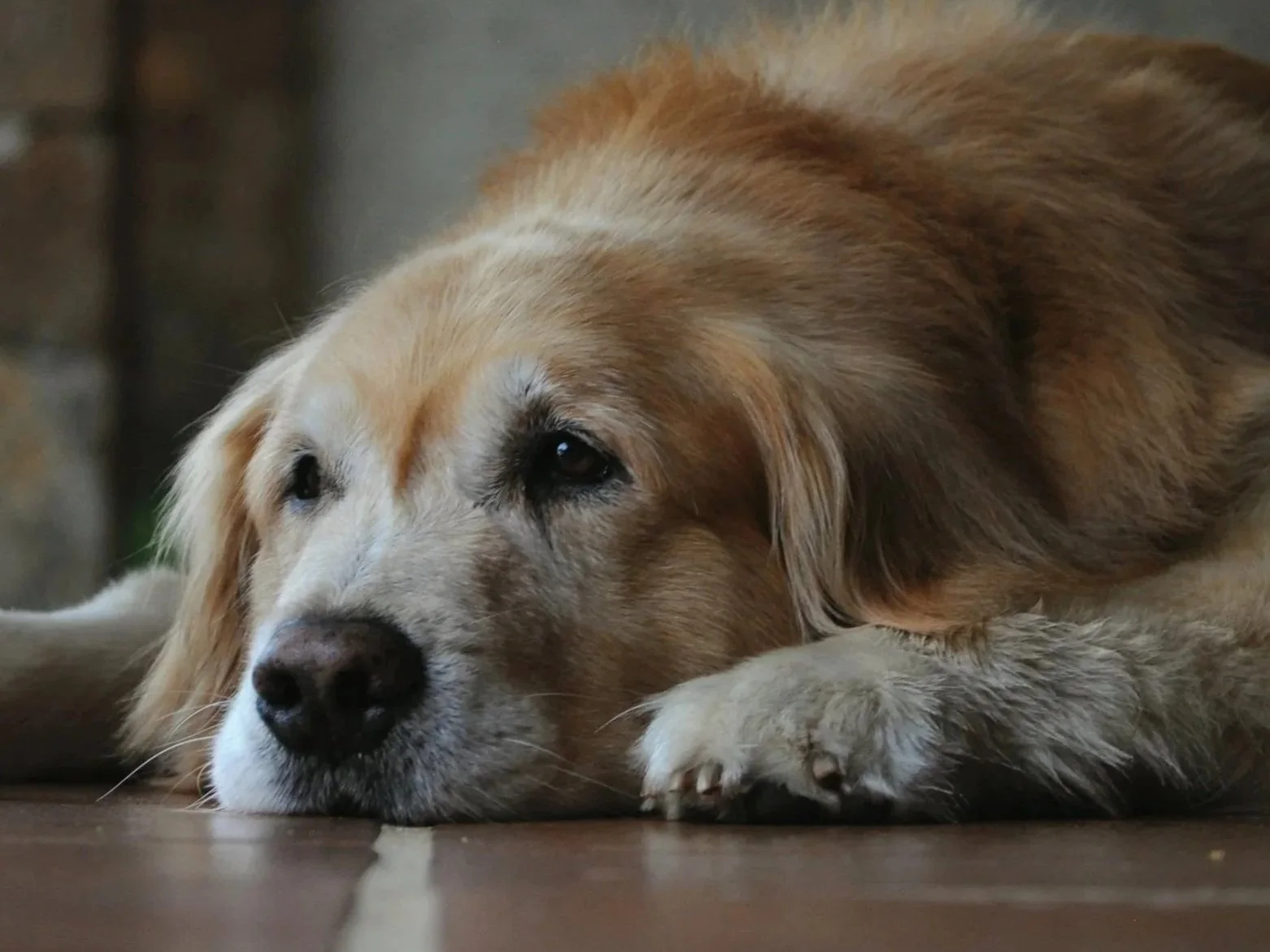
Give families time to talk through their options
A quality-of-life appointment gives families time to describe what they’re seeing at home and review options for keeping their pet comfortable. If the family decides on euthanasia and the pet’s condition allows, a separate pre-euthanasia appointment gives them time to ask about the procedure, discuss where it will take place, and make aftercare choices. Explore Euthabag’s quality-of-life and pre-euthanasia consult resources.
A change in the weather can reveal how much effort it was already taking to keep a pet comfortable. Checking in early gives families time to tell you what’s changed and work with your team on a plan they can manage at home.
We’re always here to help vet teams navigate difficult conversations around end-of-life care. Explore more end-of-life and euthanasia resources for veterinary professionals here.