
My Pet Died at Home: What Do I Do Next?
Finding yourself here can feel overwhelming. Whether your pet’s death was expected or happened suddenly, it can be difficult to think about practical arrangements while taking in what has happened.
We’re here to help you navigate this impossible moment. Keep reading as we aim to answer any questions you may have.
If your pet died at home, contact your veterinarian, an emergency veterinary clinic, or a pet aftercare provider for help arranging care and transport. If you are unsure whether your pet has died, call an emergency veterinarian immediately. Once death is confirmed, ask how to keep your pet’s body cool while you arrange cremation, burial, or another available aftercare option.
If you are unsure whether your pet has died
An unresponsive pet may still need emergency care. If you cannot tell whether your pet is breathing, or you are uncertain about what you are seeing, contact an emergency veterinarian immediately and follow their instructions.
Avoid relying on a single sign, such as your pet being still or feeling cold, to decide that they have died. The veterinary team can guide you and explain whether you should bring your pet in.
Who should you call when your pet dies at home?
When you feel unsure where to turn, your regular veterinary clinic is a good place to start. You can simply let them know that your pet has died at home and that you need some guidance. They can talk you through what happens next, whether that means bringing your pet to the clinic, arranging aftercare, or putting you in touch with a local provider.
If your clinic is closed, its voicemail may have an emergency number you can call. An emergency veterinary hospital or a pet crematorium that offers home collection may also be able to help. You don’t need to have everything figured out before reaching out - they can explain your options and help you arrange care and transport for your pet.
You can keep the conversation simple:
“My pet has died at home, and I’m not sure what to do next. Can you help me arrange care for their body?”
Before ending the call, consider asking:
Can you collect my pet, or will I need to bring them to you?
How should I care for their body while I wait?
What aftercare options are available, and what do they cost?
Can you help me arrange a paw print or fur clipping?
Is there anything you need to know before I move my pet?
If speaking feels too difficult, ask someone you trust to make the call with you or on your behalf.
How to care for your pet’s body while you wait
Once your pet’s passing has been confirmed, your veterinary team or aftercare provider can explain how to care for them while you wait. Their guidance will depend on your pet’s size, the temperature in your home, and how soon someone can collect them.
If you need to move your pet, take your time and gently support their head and the rest of their weight. You can ask someone to help, particularly if your pet is large or moving them feels too difficult.
As your pet’s muscles relax, they may release a little urine or stool, and you may notice them becoming stiff over time. Seeing these changes can be distressing, especially if you weren’t expecting them. They are natural changes after passing and do not mean your pet is uncomfortable or suffering. Placing an absorbent pad or towel underneath them can help keep their resting place clean.
If caring for your pet in this way feels overwhelming, let the person arranging collection know. They can talk you through what is needed and explain what help they can offer. You do not have to do this on your own.
What if your pet’s death was sudden or unexplained?
When a pet passes away unexpectedly, it’s understandable to have questions about what happened. Your veterinarian can help you talk through those concerns. Let them know if you suspect poisoning, an infectious illness, or anything that might also affect other animals in your home.
If you would like to explore the cause of your pet’s passing, you can ask about a necropsy, the veterinary equivalent of an autopsy. Your veterinarian can explain what the examination involves and whether it may offer some answers, while being honest that a definite cause cannot always be found.
Before arranging cremation or burial, let your veterinarian know if this is something you’re considering. They can explain how to care for your pet until the examination and help coordinate the next steps. Keeping your pet cool is important, and refrigeration is generally recommended rather than freezing to help preserve information the examination may reveal.

Choosing cremation, burial, or another aftercare option
Choosing how to say goodbye can feel overwhelming, especially when you’re still taking in the loss. Your veterinary team can talk you through the options available locally, including cremation and burial, and help you make arrangements. If there are unanswered questions about your pet’s passing, they can also explain whether an examination may be helpful before you proceed.
If cremation feels right for your family, let the provider know whether you would like your pet’s ashes returned. You can ask them to walk you through how your pet will be cared for, how they keep track of each pet throughout the process, and what is included in the cost. Having those details explained gently and clearly may help you feel more comfortable with your decision.
If you would prefer to bury your pet at home, your veterinary team or local authority can help you check whether this is permitted where you live and explain any requirements before you make plans.
You don’t have to take everything in during one conversation. It’s okay to ask someone to repeat an explanation, write down your options, or speak with a trusted person who is helping you. Grief can make even familiar decisions feel difficult, and you deserve patience and support as you work through them.
We also have a detailed blog on pet cremation options if you’d like some additional information.
If you would like a keepsake, ask before aftercare takes place
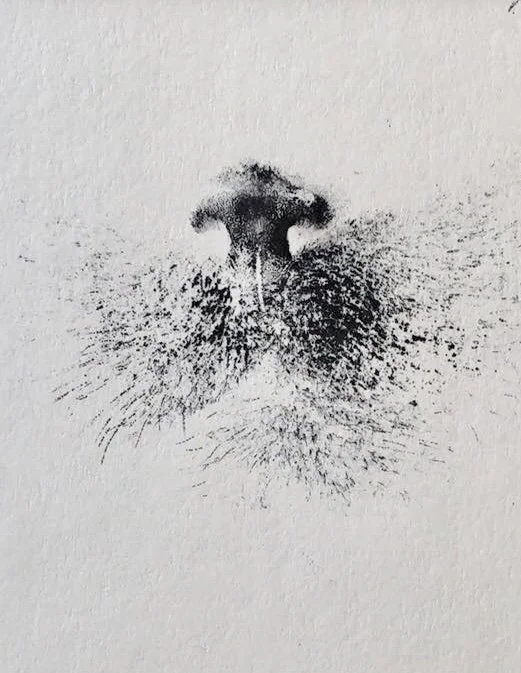
Some families find comfort in having a paw print, a small fur clipping, or a photograph to keep. Others prefer to remember their pet through the belongings and memories they already share.
If a keepsake matters to you, mention it before cremation or burial. Your veterinary team or aftercare provider can explain what they can arrange. Just know that there is no obligation to choose anything. A keepsake can hold meaning, but it is not a measure of how much you loved your pet.
If your pet is still here and you want to be prepared
You may be reading this because your dog or cat is growing older, living with a serious illness, or approaching the end of their life. Wanting to understand what happens next is a caring and practical response to an uncertain time.
Start by speaking with your veterinarian about your pet’s comfort, signs that require urgent attention, and whom to call outside normal clinic hours. Planning for aftercare can help you prepare emotionally and practically before you are faced with decisions during a loss.
You can also purchase an Euthabag ahead of time, depending on availability in your region. Having a dedicated pet body bag ready gives you one less practical arrangement to make later. Some families choose to personalize it in advance with their pet’s name, drawings, or messages of love; others simply keep it somewhere accessible until it is needed.
Preparing does not mean you are giving up on your pet. It means making space to consider their care while you have time to ask questions and decide what feels right.

You only need to take the next step
The first hours after a pet dies can feel unfamiliar and painfully quiet. You may feel shocked, numb, distressed, or unsure what you need.
For now, focus on reaching someone who can help you care for your pet’s body and explain your options. Ask a friend to stay with you, write down information, or help with transport if that would make things easier.
You do not have to handle every part of saying goodbye by yourself. We are sending you all our love and support.